
One Ring to Rule Your Rest
A self-aware confession about data addiction, modern running culture, and why I sold an Oura Ring — only to buy it again.

Let’s talk about the Oura Ring.
That little black circle on my finger that people keep asking about. Maybe because I don’t wear jewelry otherwise, maybe because people are unsure whether it’s my wedding band (it isn’t), or maybe because they wonder why a smart and self-aware person is voluntarily accessorizing like a Silicon Valley life hacker. Fair questions.
The truth is simple: The Levelhead part of me bought the Oura Ring. The unhinged part of me kept using it.
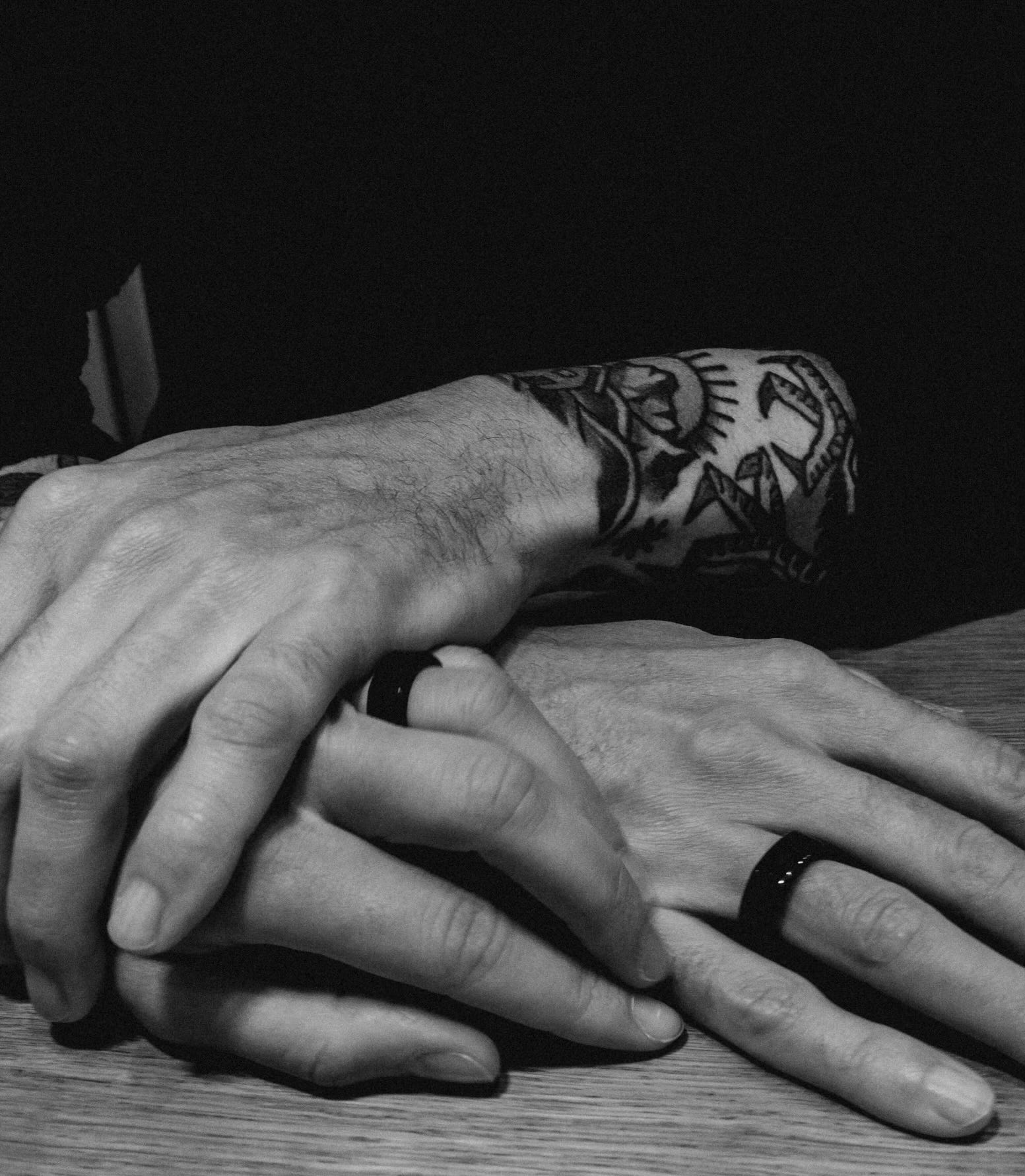
Oura-what?
With its dozen-plus sensors, Oura collects a steady stream of physiological data all day and all night:
heart rate variability (HRV)
Temperature variation
Blood oxygen trends
Sleep stages
Respiratory rate
Activity and rest
But its real superpower, the thing it actually does better than most competitors, is sleep tracking. I’ll give it credit: it’s impressively accurate, and there is no other tracker that is as inconspicuous and causes as little disturbance while sleeping as this little ring.
But do I need it?
Absolutely not.
Like every other data-obsessed runner trying to find meaning in numbers, I could and can live without it just fine.
But indirectly? That’s where the hook is.
Gamification: The Trap That Feels Like Discipline
Here’s the dangerous beauty of devices like Oura: they turn your life into a competitive game against yourself. Against your “yesterday-me”.
Every morning you wake up and your phone greets you like a disappointed PE teacher:
“Your sleep score is 85, your readiness score is 71. Could be better.”
What goes into that score? Everything. Resting heart rate, HRV, body temperature, sleep duration, sleep quality, REM balance, deep sleep, oxygen saturation… a whole parade of metrics no human being ever organically asked for.
But then Oura does something clever: it simplifies the chaos into two shiny little numbers — Sleep Score and Readiness Score — and suddenly you care. Really care.
Hit 85? A crown appears. A digital gold star for your adult life.
This is what’s known as gamification. A system that rewards you for being good, and mildly scolds you for being human.
And it works. Embarrassingly well.
For three years, that algorithm nudged me into better habits: earlier bedtime, darker and cooler bedrooms, fewer late-night screens, ear plugs, no alcohol (well, that’s a given anyway), more consistent routines. And honestly? My sleep improved dramatically. Not just the score, but the actual lived experience of waking up functional instead of feral.
The ring didn’t make me healthier, but it prompted me into the behaviors that did. That’s the value.
But Then I Sold It…
Because eventually, the game started playing me. I felt chased by my own numbers. I witnessed myself becoming reactive. Slightly obsessed. I wasn’t listening to my body anymore. Instead I was constantly interpreting a dashboard.
Especially after my knee surgery, I wanted a different relationship with myself:
Less measurement, more intuition.
Less data, more feeling.
Less control, more trust.
So I sold the ring in December 2024. A truly liberating move. My form curve went up steeper than ever before, all without obsessing over metrics. I felt strong, light, and confident. My body was leading again, not the Oura app.
Yes, yes, you’re right, my shiny running world didn’t last long. But when my knee sneakily developed an irritation halfway into 2025, all that missing data wouldn’t have saved me anyway. Sometimes injury is just injury. No ring can divine that for you.
… And Bought It Again
Because ambivalence is beautiful. And also because it’s Black Friday and the ring was half-price. We’re all human. As an early adopter, I also have a lifetime free membership with Oura.
But the real reason I put on the ring again: My comeback from injury is messy. Everything feels the same. The signals blur. Cause and effect are completely unclear. The body whispers in a dialect I can’t quite decipher.
And I find myself craving… not control, but orientation.
Tiny anchors and daily micro feedback. Just enough to maneuver the ship through these rough waters. Especially regarding the tension between stress vs. recovery, the one dynamic the modern athlete is historically terrible at managing.
I’m not looking for perfection. I’m looking for clues. For nudges that help me stay patient until trust in my body returns. Until uncertainty becomes confidence again.
Delivered at My Doorstep While Writing This
In classic narrative timing — and I swear this is true — the delivery guy just handed me the package containing my new Oura Ring as I finish this sentence.
Symbolic? Coincidence? I guess it’s just the universe and its weird sense of humor.
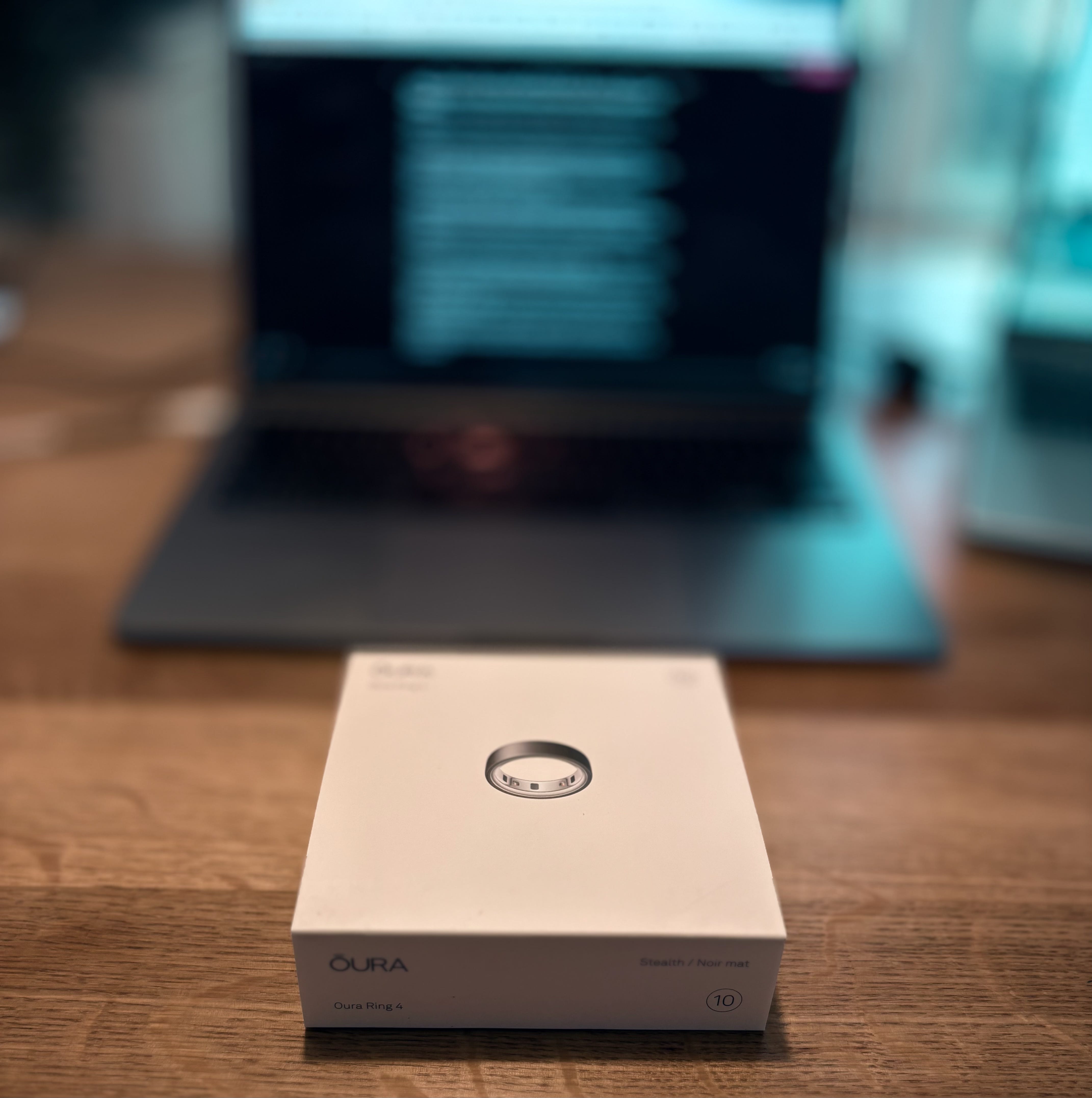
Let’s be absolutely clear about this: I don’t need the Oura ring. But right now, I appreciate having it. As a quiet companion offering small signposts in the fog until I can navigate without it again. If a tiny black ring helps me find my way back to the body I trust, then so be it.
Everything Not Running
Alright, Bold Friday is here, which, for a tiny brand like Willpower, is a big deal. In terms of both: the significance for the business and also the incredible effort it requires.
People sometimes assume Willpower is a huge company with a team, a skyscraper office, a marketing department, maybe even our own warehouse with forklifts and walkie-talkies.
In reality? It’s still mostly me and my Macbook. A one-man show held together by years of systems, automation, and stubbornness. If it looks smooth from the outside, that’s only because everything behind the scenes has been optimized to within an inch of its life.
Running a brand at this size is a strange paradox: it looks small, but I have to play by the same rules like the big players. It’s complicated and it’s expensive like hell. Software, storage, logistics, duties, taxes, packaging, production, minimum order quantities, legal requirements, returns handling, and all the invisible machinery of e-commerce… Enough to crush anyone who isn’t paying attention. And if someday people stop buying? That’s it. There is no safety net. The brand just… dies.
That’s why Bold Friday matters so much. Not because of discounts or hype, but because this is the week where Willpower reaches new people. Where long-time supporters stock up. Where some wait all year just for this day. It’s both lifeline and lighthouse. Without the loyalty of this community – the Willpower Circle – Willpower would not exist. It simply couldn’t.
What remains when the dust settles?
Gratitude. Mostly gratitude.
If you’re curious what Bold Friday looks like on our end: chaos, spreadsheets, caffeine, and joy. Come take a look at Willpower today.

On Repeat
It sounds strange, but the intro song “In Fear of Forever” defines everything Zero Mentality stands for as a band. To be honest, I can hardly think of any other band that is capable of writing such powerful instrumentals (they repeated the trick on their second album “Invite your soul” with the outro “Glück Auf”). Truly unique and, even after 20 years, still completely captivating every time you listen to it.
Als ehemaliger Whoop Träger kann ich alles sehr gut nachvollziehen. Oura kam für mich damals nicht in Frage, da ich Schmuck nicht tragen kann (ob wohl verheiratet, musste halt ein Tattoo statt Ring her ;-) ). Zudem finde ich einen Ring zum trainieren (z.B. Kettlebell) sehr ungünstig. Anfänglich, war der Whoop als Orientierung was der Körper so macht oder nicht macht, super spannend, doch irgendwann hatte ich aber nur noch ein Whoop-Leben, also irgendwie fremdbestimmt. Als die Erkenntnis kam, gings mir danach viel besser. Würde nie mehr zurückkehren wollen, es reicht mir bereits, dass meine Suunto mir bereits wieder sagt, wie gut mein Schlaf war oder nicht, doch ich ignoriere es heute gekonnt.
Auf den Z-Letter habe ich schon eine Weile gewartet. 😅👍