
In Good Hands
About The Runners We Never See

Most runners will never become visible.
They will never be interviewed, sponsored, photographed at sunrise, added to a brand campaign, invited on a podcast, turned into a case study, quoted in a newsletter, or followed for their motivational quotes. They will never build a platform around their running, never explain their routine to strangers, never post the long run, the comeback, the finish line, the failure, the new beginning.
They will simply go outside, move through their neighborhood for a while, come back sweaty, shower, eat something, answer emails, pick up their kids, call their parents, feed the cat, continue.
That’s the running I trust the most.
The Missing Majority
It’s a fact: the largest part of this sport is almost absent from its public image. What we see every day are the professionals, and of course we should. We also see the almost-professionals, the coaches, the creators, the lifestyle athletes, the celebrities who discover endurance as an exciting personality extension (for a while), and the fictional runners built by brands to tell us how running should look, feel, and sound like. And of course which shoes and shirts belong to which identity.
There is nothing wrong with any of this. It is part of running. It becomes a problem only when we start mistaking it for the whole thing.
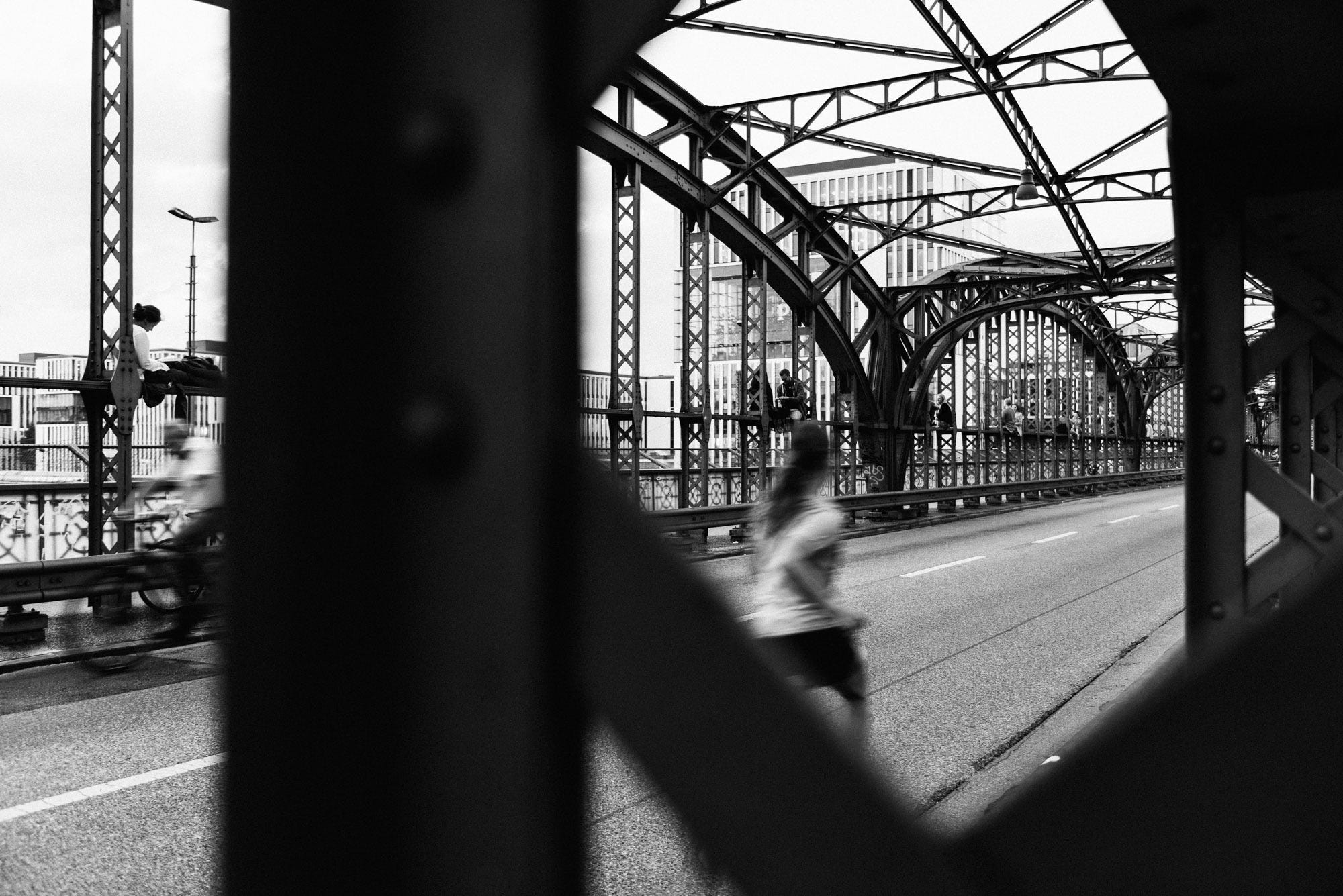
We’re at constant risk of letting the visible world replace the real one. We begin to forget that most running happens without any witness at all. No audience, no proof, no one waiting for the story.
That is not the edge of the sport but its center.
Inside The Machine
I honestly admire the people who do not turn running into a subject. There is something deeply sane about that relationship.
These runners seem to ask less from the sport, which might be the reason it can give them more. They do not need running to hold their entire identity together. They do not need every week to look committed from the outside. No approval from anyone. Their love has limits, and those limits protect it.
This sounds a bit uncomfortable coming from me. I write about running all the time. I have written articles, books, newsletters, captions, and long emotional weather reports about what running does to a person. I own a running brand. I have turned a private obsession into public subject so often that I sometimes wonder whether I still know how to experience something without immediately analyzing it, and sharing it with the world.
Some honest tension here. I am part of the visible side, even if only in a small weird corner of it. But writing helps me understand things. To understand myself. It gives shape to my inner mess and also to the beautiful part. It also connects me to people who recognize themselves in the same tension. I do not want to pretend otherwise.
Still, I admire (sometimes even envy) the ones who can leave the run where it happened.
They finish, and nothing has to be extracted from it. The run does not become a metaphor or have to carry a message. It can simply be a run.
Better Boundaries
Sounds like a healthy form of devotion: loving something without forcing it to explain you.
Running becomes dangerous when it has to do too much. When it has to make us feel worthy, interesting, disciplined, healed, special, untouchable, different from everyone else.
I know this because I have asked too much from it myself. I have wanted running to make me strong when I felt fragile, alive and inspired when the rest of life seemed flat. Sometimes it did. But other times it collapsed under the weight of what I needed from it.
The invisible runners remind me that running works best when it stays connected to the rest of life.
In Good Hands
When I write about running, this is what I hope survives underneath my words. I hope the running is only the doorway. A way into questions that belong to far more people than only runners: what we do with longing, how we handle comparison, where we place our hunger, how we continue when the body changes, how we keep something alive without turning it into a public performance.
The runners we never see understand this.
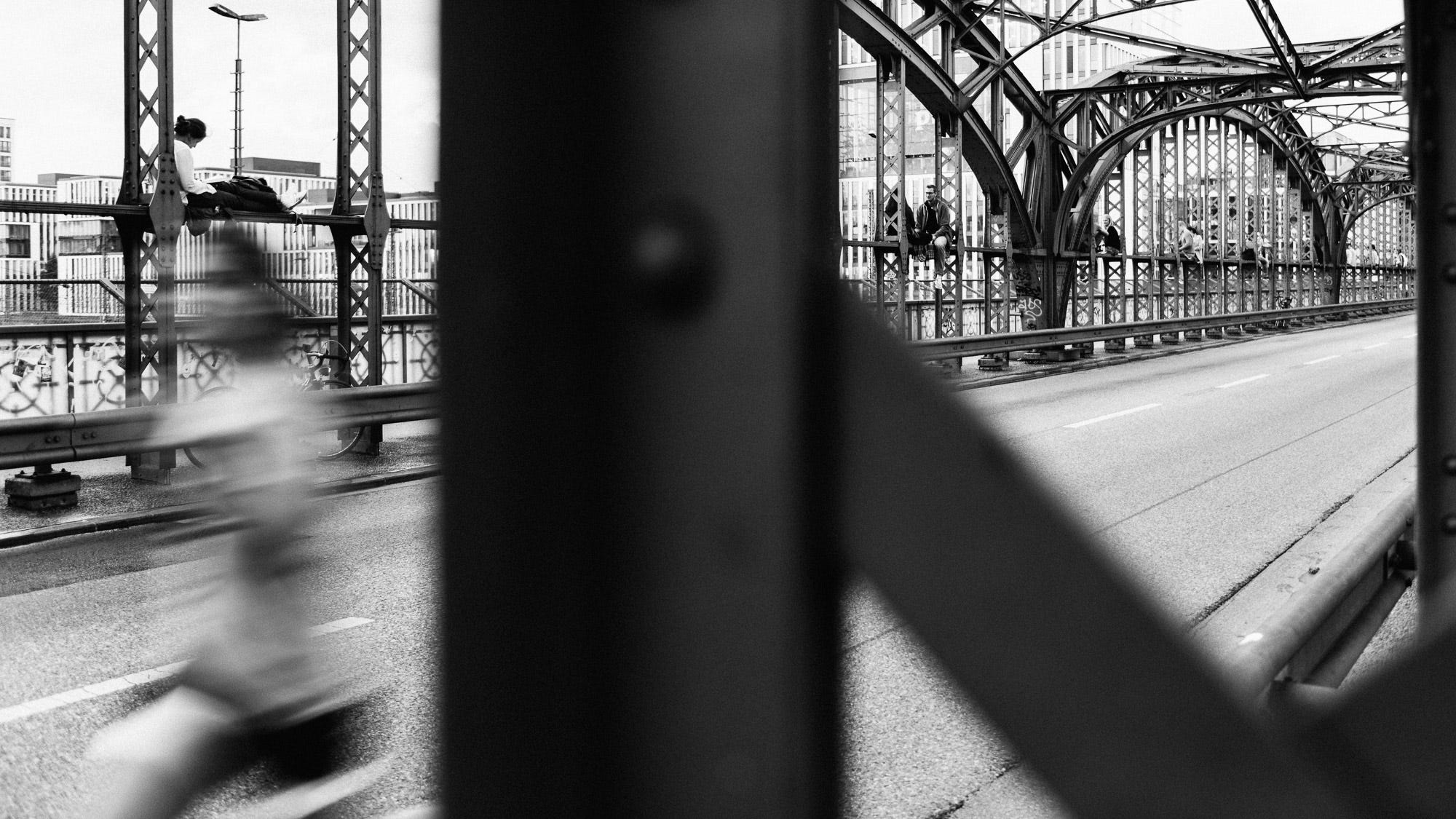
They are not outside the culture. They are the culture. They are the reason running remains much larger than the people who explain it, sell it, document it, and dress it in meaning. They are the foundation under the spectacle.
With them, running is in good hands.
Everything Not (?) Running
Speaking of being invisible: I reactivated my Strava profile yesterday. I’m not exactly sure why, it was just an impulse I acted on without thinking.
I probably felt like I’d crossed a certain threshold with my running that justifies this visibility. I’ve been dreaming for a long time of running about 10 kilometers three times a week, and recently I’ve even added occasional mountain adventures on top of that (yes, still without any downhills).
I’m pretty sure that outsiders don’t make nearly as big a deal out of this small change in visibility settings from “Only you” to “Your followers” as I do. Many probably didn’t even notice that I suddenly disappeared from Strava in January.
What’s different now? Not much. I’m happy to get a few Kudos. However, those aren’t for my outstanding athletic achievements but rather for quirky cat photos, or a little “I’m glad you’re running again.” Plus, I see my weekly stats graph tentatively trending upward. Whether that’s really a trend remains to be seen, but right now my body feels good, and more importantly: I’ve started trusting it again.
All with reservations. I’m not usually the type for on-off relationships, but with me and Strava, it could be over just as quickly as it began.
On Repeat
I still remember very well how I started writing my own songs in the mid-90s. Or at least I tried aka “I have no idea what I’m doing.”
Songwriting is a fine art, and it takes years, if not decades, to understand all the rules and, on top of that, be ready to follow them. Or, alternatively, to consciously break them.
Anyway, I always wanted to write a hardcore track like “What We Built” by COUNT ME OUT. Not too much of anything, not too little of anything, 100% on point, full power ahead, pure spirit.
Even today, “What We Built” would still be the blueprint for the ultimate hardcore song.